Animals in Daoism
Explore Daoism and animals through ancient writings, tradition, and practice
Foundations
Daoism teaches that all beings are unified in the Dao and that all things are interconnected through a process of transformation. The Three Treasures of Daoism are compassion, frugality/simplicity, and humility/modesty; core Daoist virtues invite us to live peacefully with animals—harmony, humility, simplicity, compassion, and naturalness. Daoism also teaches wu wei (non-action or actionless action) which asks that we keep our hands off, that we not force, which indicates that we leave animals alone and not conscript them for our purposes.
Animals are common characters in Daoist writings. Animals in the Zhuangzi are equal or superior to humankind in wisdom. They often represent the Daoist ideals of spontaneity and freedom from societal constraints. In the Dao De Jing, animals illustrate the power of wu wei (effortless action), the beauty of harmony with nature, and the limitations of human knowledge. Animals in these stories encourage us to abandon human exceptionalism and cultivate humility.
If animals are confined, harmed, or killed to create what we buy, Daoist practice invites greater compassion, more harmonious choices. Daoist animal advocates help to recall us to humility, restraint, and harmony with animals and with the Earth.
In what specific ways do the ancient teachings of Daoism help us to rethink how we treat animals today?
Teachings
Core Daoist virtues invite us to live peacefully with animals—harmony, humility, simplicity, compassion, and naturalness. Daoism also teaches wu wei (non-action or actionless action) which asks that we leave animals alone and that we do not conscript them for our purposes.

Narratives
Daoist narratives remind readers that animals are sentient, thinking, independent individuals. The Zhuangzi tells of someone who cannot tell if they are a human or a butterfly and teaches humankind not to interfere with the lives of animals. The accounts of Daoist Immortals teach compassion and remind that animals can be endowed with special powers.

Tension

In addition to buying animal products, some Daoists harm animals by making offerings with animal parts, buying and releasing captured animals, and using medicines made from animal body parts, including the bodies of rare and endangered animals.
Living

Compassion, kindness, harmony, and simplicity are core Daoist ideals; Daoism speaks against taming, caging, and controlling animals for our purposes. Daoist monasteries usually serve only plant foods, demonstrating best practice.
Advocacy
Lao Tzu and Zhuang Tzu model teaching as a way of bringing change while Daoist immortals model harmonious living and kindness to animals. Kuan Yin models both kindness to animals and the work of activism.
Image Credit
Teachings: Sketch of the Chinese immortal Dongfang Shuo (Tobosaku), Maruyama Ōkyo (Japanese, 1733 - 1795)
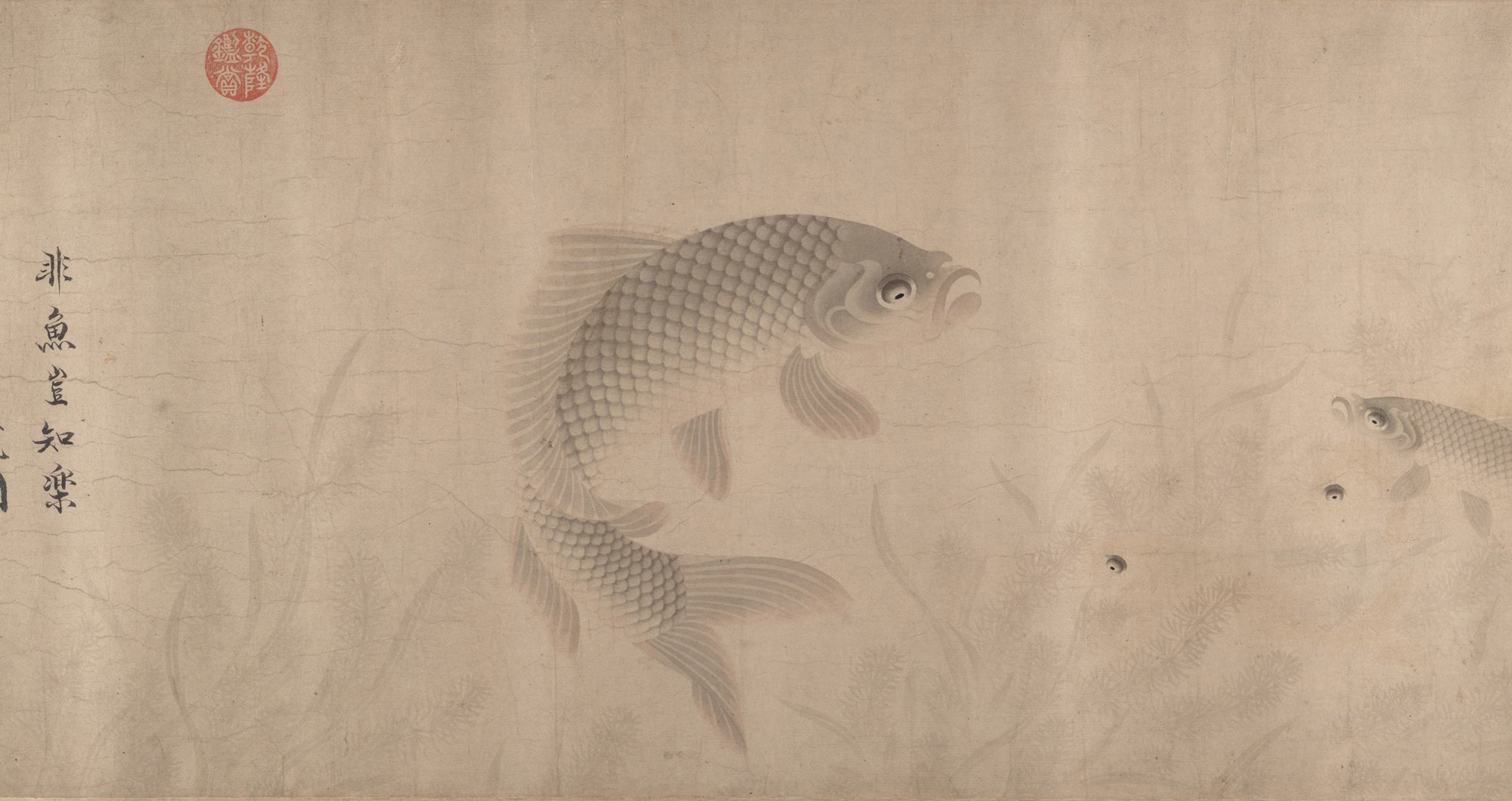
Narratives: Tsukioka Settei - Carp Leaping Out of Water (right of a pair of Carps) - 1777 - Minneapolis Institute of Art
Tension: WeAnimals.org