Animals in
Christianity
Explore Christianity and animals through the life and teachings of Jesus, core Christian ethics, creation, and the Creator
Foundations
Jesus shows us how to live, how to serve God–how to be true to our faith in everyday life. Genesis outlines our relationship with animals and records God’s instructions for humankind as we live on this good and holy earth. Sacred narratives include animals, inviting a closer look at God’s living creatures both as individuals and in relation to their Creator and humankind.
Christians are encouraged to grow daily in Christ, to explore how well our everyday lives align with Scriptures–with Christian ethics and with God’s will–including our treatment of animals. Jesus, when invited into our lives, reshapes our hearts and guides us as we grow in love. Jesus helps us to recognize and smooth tensions between teachings and lived practice, guiding us as we reshape our attitudes, beliefs, and actions toward God’s many creatures, building more faithful Christian communities.
Where animals are concerned, how can we become more true to our faith commitments?

Teachings
Animals in the Bible
Jesus, who taught humankind how to live a Christian life, shows us how to extend love outward, rejecting the cultural limits normally placed on love, how to be humble around those conventionally thought too lowly for consideration, how to be both powerful and merciful, and how to devote our lives to tending those most in need of our care. The creation account reminds us that all living beings are creatures of God, created and sustained by a compassionate hand, and that God instructs us to care for this good and holy creation.
How do core Christian ethics help to shape our relationship with animals?

Narratives
Animal Narratives in Sacred Texts
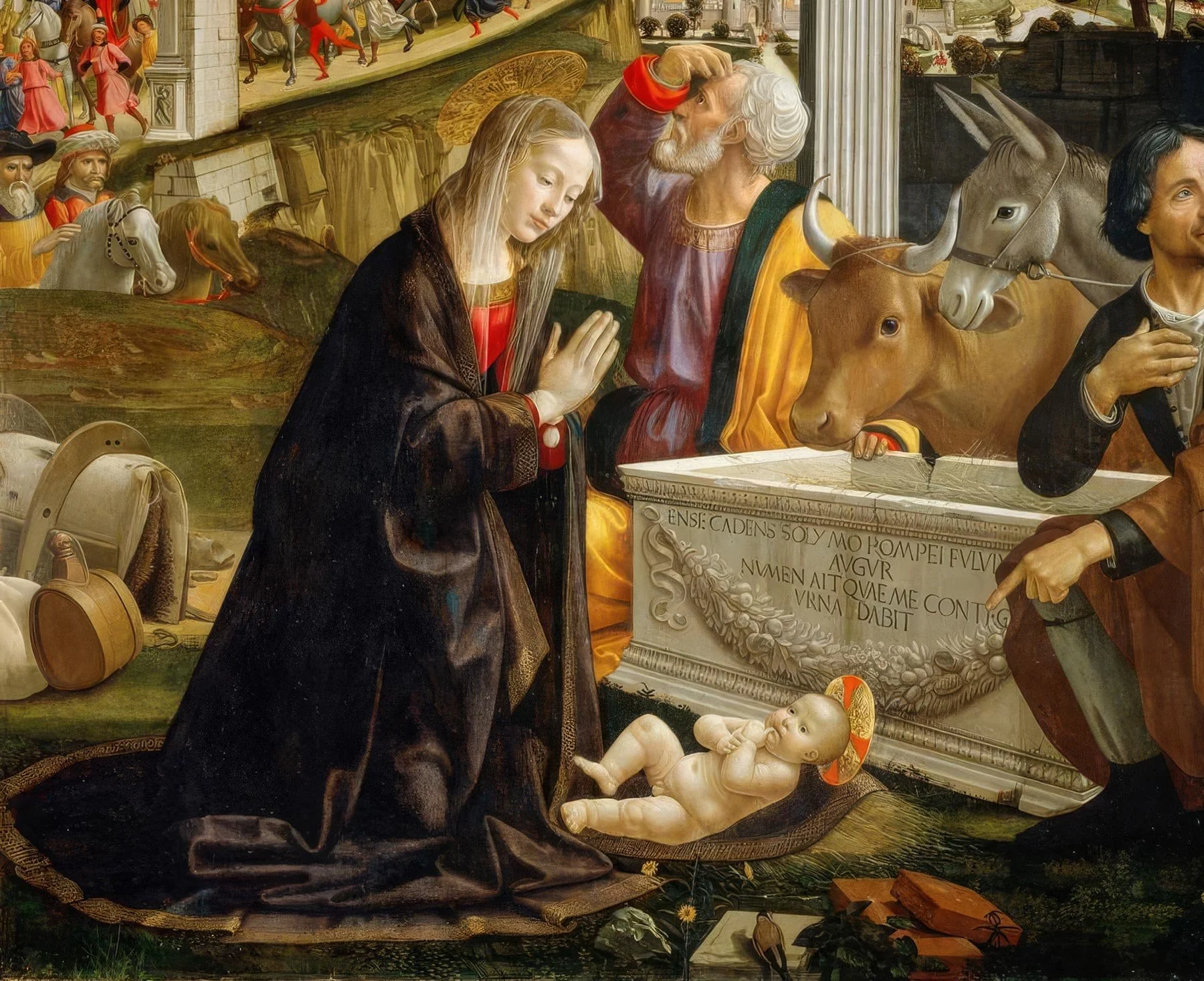
Sacred narratives include animals, offering a window into God’s connection with other creatures--and a window into what God expects of us with regard to animals. Whether a laboring donkey, a snake in the garden of Eden, or the recorded lives of Catholic saints, Christian narratives that focus on animal characters call us to wonder at the glory of God, inviting us to explore our connections and interactions with God’s many creatures.
How do animals in sacred narratives help us to better understand the importance of animals as fellow creatures of God?
Tension
Discord between teachings and practice
Inviting Jesus to rule our lives and reshape our hearts brings fresh understandings, new insights, and a clearer understanding of how well our everyday attitudes and actions align with the word of God. We may not generally prefer to take a close look at human hubris, or preferred forms of entertainment, but aligning our lives with God’s word is core to faith, and brings renewal, drawing us closer to God.
How might our hope for salvation, or love of sport, create tension between core Christian teachings and our life with animals?

Living
Animals & Everyday Christian Life
When exploring how well our everyday actions align with the will of God, it is important to reflect on our consumer choices. It may surprise us how many of our purchases affect animals, and how this also affects our good and holy earth, and humankind . There are few purchases as basic, or as consequential, as what we choose to eat.
What effect do the contents of our shopping cart have on God’s creatures–and creation more generally?
Advocacy
Christian Engagement for Animals
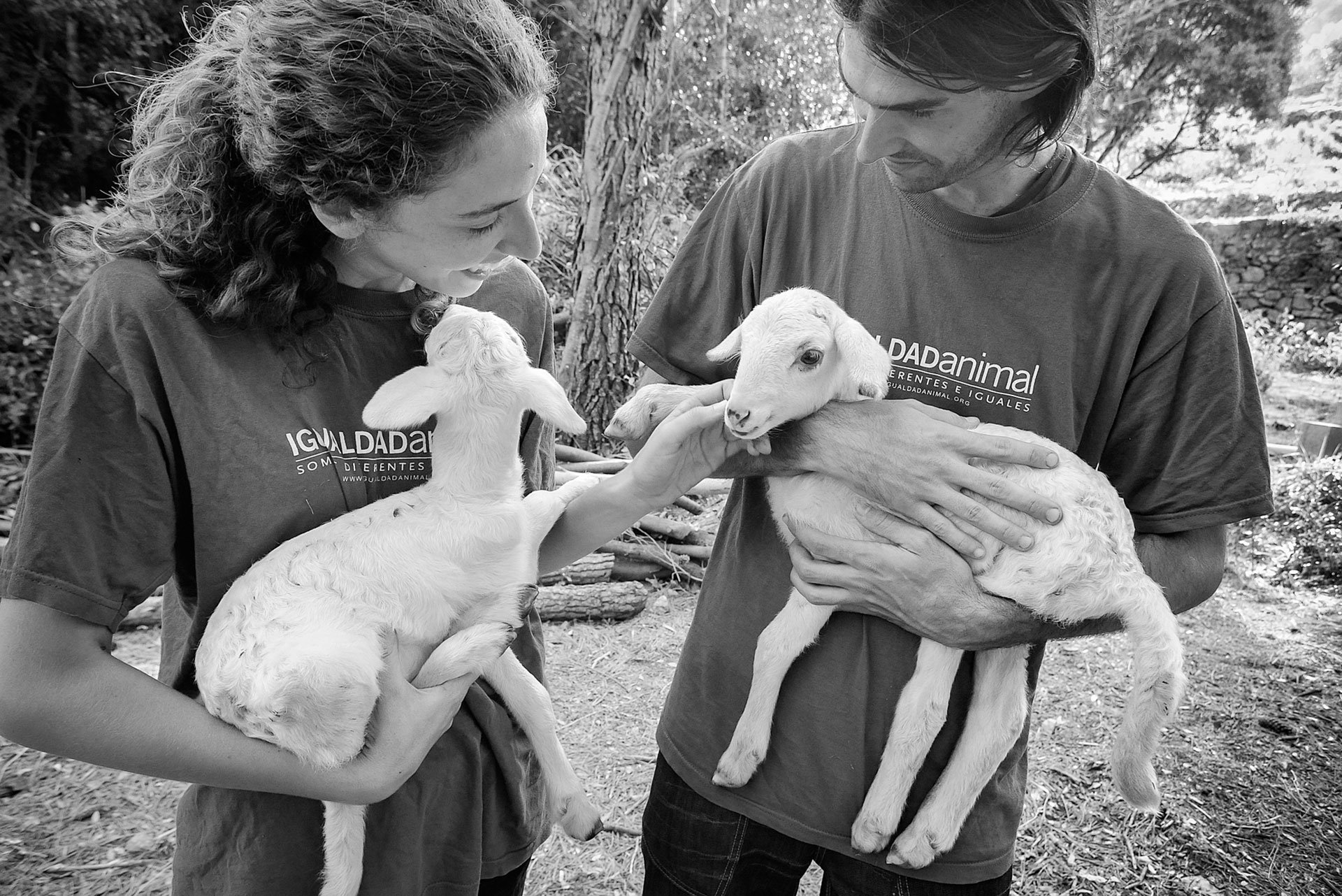
Jesus and the prophets are the Bible’s bold voices for change, speaking out against violations of God’s law, especially rampant selfishness and indifference. Reflecting the life and teachings of Jesus, walking with the prophets, Christians raise their voices against injustice and speak out for the vulnerable, calling people to protect the downtrodden. Christian animal advocates continue this practice today as they speak out on behalf of animals.
How do core biblical figures, clergy, philosophers, and people like you and me, model Christian care for animals?