Animals in Christian Sacred Texts
What Scripture Teaches Christians about God, Animals, and Humankind
Introduction
This chapter explores core teachings in the Bible that shape a Christian moral foundation for human-animal relations.
The Bible tells Christians everything we need for spiritual growth, moral direction, and a personal relationship with God. It is here that the faithful look to find out how to live, including how we are to live faithfully with animals.
The New Testament provides core Christian ethics and Jesus shows humankind how to live, how to serve God in the here and now.
The Hebrew Bible (Old Testament), especially the creation narrative, helps us to understand God and what is expected of us, including how to live faithfully with animals.
Matthew 7:24
Everyone, then, who hears these words of mine and acts on them will be like a wise man who built his house on rock.
Explore The Topics
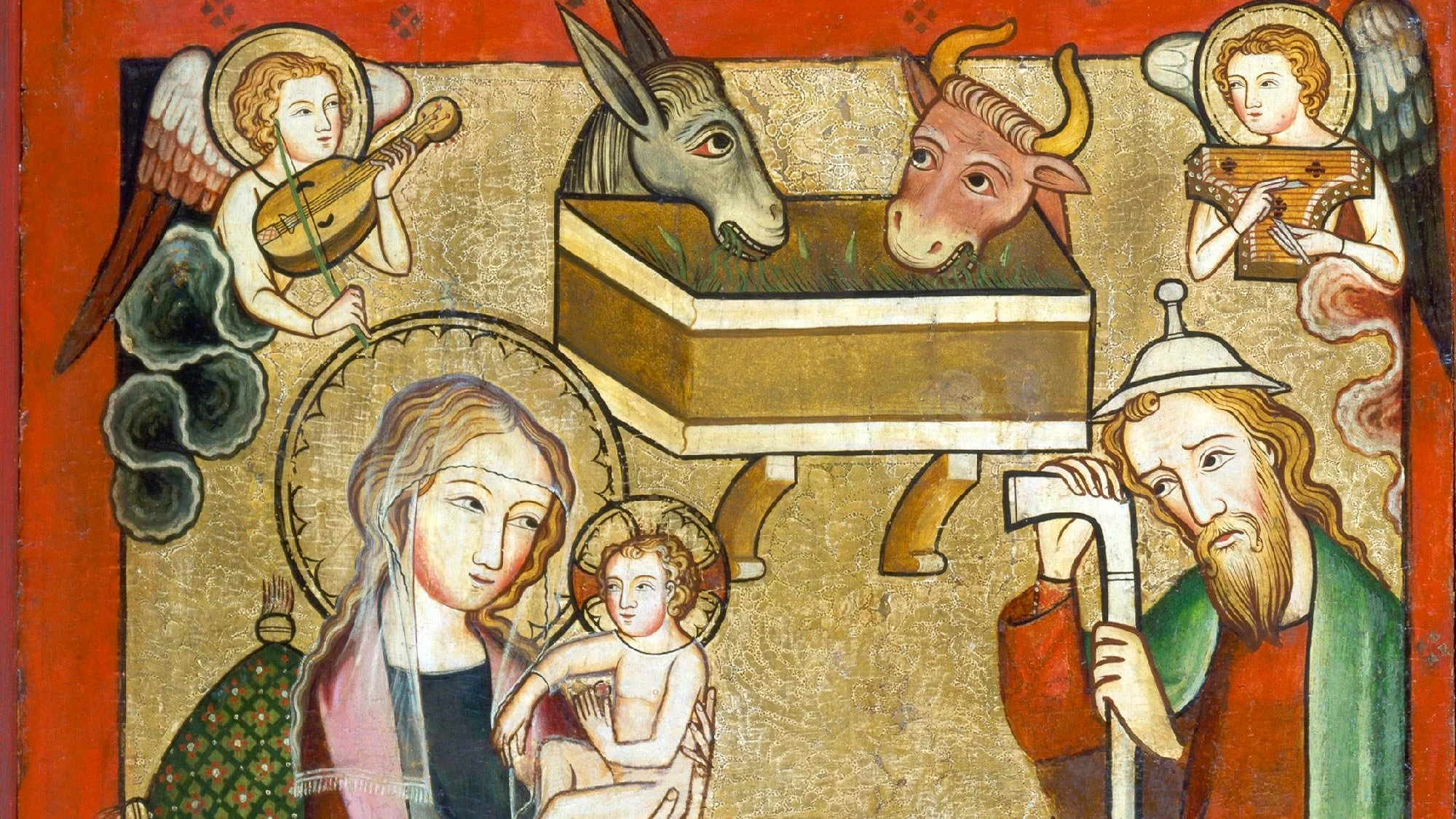
Jesus What do the Gospels teach Christians about caring for animals?
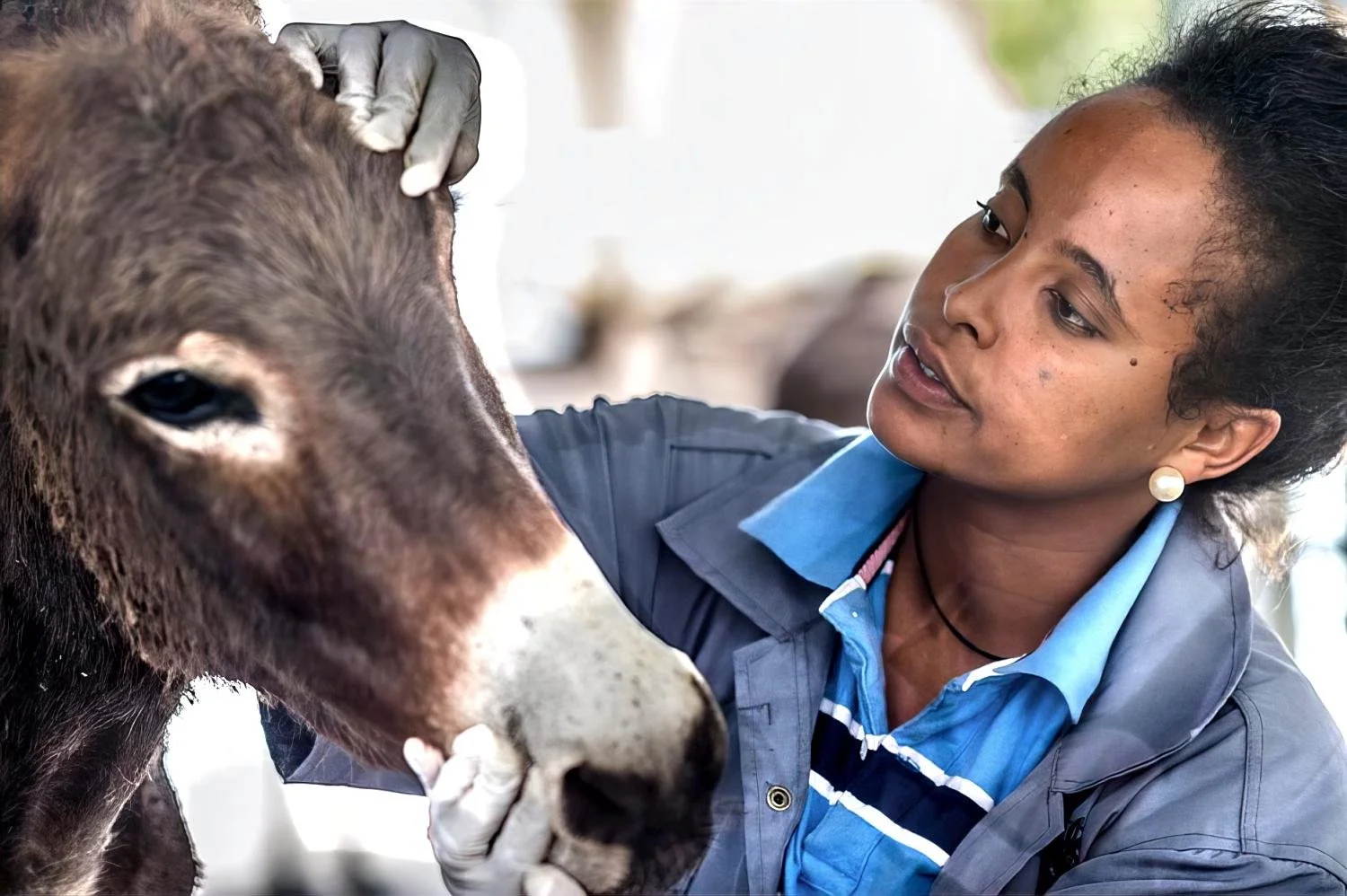
Gospel Ethics What does the New Testament teach Christians about living with and caring for animals?

Creation What does creation in Genesis tell Christians about God’s plan for animals?

Creator What does the Bible teach Christians about God’s relationship with animals?
Common Questions
-
The Bible teaches Christians that God cares about animals and that we are responsible to care for God’s creatures: We are to serve God on earth, caring for creation as the Creator would do, and we are to follow in the footsteps of Jesus. God shows kindness to animals throughout the Bible, whether feeding birds, protecting an abused donkey, or commanding humankind to allow animals to rest on the Sabbath. Genesis teaches Christians to guard and protect creation, that creation is good and holy, and that God is in covenant with all that has been made. The Gospels show us that Jesus, who died to free all of creation from “enslavement to decay” (Romans 8:21), models tender care for those considered unworthy of concern, for those disempowered and overlooked, those pushed outside of society’s moral circle—which certainly includes animals today.
-
The Bible—including core ethics in the Gospels—tells us that we are to care about and for God’s creatures. Animals are mentioned in almost every book of the Bible, including well over 100 species of mammals, birds, reptiles, water creatures, and insects. Animals appear as part of everyday life, as central to metaphors, and as key characters—even biblical law directly protects animals. Jesus understood Jewish Scripture to be binding, and birds, fish, and insects are all noted in the New Testament. He was kind and cared for all who were in need, no matter how lowly in the eyes of the larger community. On reading the Gospels, it would seem difficult to imagine Jesus not caring about animals, who are vulnerable, and whose simple needs are often overlooked by humankind.
-
We are invited to treat animals as neighbors and kin, as the first people did, extending core Christian virtues such as love and mercy, humility and service, to God’s animals. Cruelty and indifference to suffering are unchristian; disregard for animals shows disrespect for their Creator. The Bible tells us that God is kind and merciful, tenderly caring for the needs of animals. Genesis tells us that the first people, who initially dwelled in God’s perfect creation as the Creator intended, lived with animals as neighbors and kin, peacefully as companions for one another. In all of these ways, the Bible shows us how to live faithfully with God’s creatures.
-
Creation outlines our God-given relationship with animals. God creates animals and humankind on the same day and gives us all nephesh chayyah. We are created to share company, and all of us are given plants for food. We were made to share company and we have been given responsibility to God for all that the Creator has made. The Bible tells us that all of creation is good and holy. In all of these ways, Genesis is extremely important for a Christian understanding of our relationship with, and responsibilities to, God’s creatures.
-
Dominion is outlined in Genesis: Humankind is placed in the peaceful Garden of Eden to serve as caretakers. God created a world of peace and harmony, a place of kinship and community, a world without bloodshed, and created humankind to tend creation. Genesis tells us that we were not permitted to harm other creatures for food in this garden of abundance and peace. We were given dominion “in the image of God”— to serve God amid creation by doing as God would have us do. Our “dominion” is one of service, of tenderly caring for all that has been made in God’s stead.
From Genesis to the Gospels
From Genesis to the Gospels, animals appear within the unfolding of Scripture, offering insight into how they are regarded and how humans are called to relate to them.
Matthew 4:4
One does not live by bread alone, but by every word that comes from the mouth of God.
The Gospels record the life and teachings of Jesus, which are central for understanding rightful relations with animals. As the perfect moral exemplar, Jesus shows Christians how to serve God in this world. Defying the norms of his day to live into core Christian ethics such as love, humility, mercy, service, peace, generosity, and sharing, Jesus provided attentive care to those who had been left outside the moral circle.
Colossians 3:12
Therefore, as God’s chosen ones, holy and beloved, clothe yourselves with compassion, kindness, humility, meekness, and patience.
1 John 2:6
…whoever says, “I abide in him,” ought to walk in the same way as he walked.
In the Hebrew Bible, Genesis tells us that God created a perfect, peaceful world where all creatures were gifted with nephesh chayyah and formed one community, giving plants as food. God commanded humankind to serve by guarding and lovingly protecting creation as the Creator would do. The Hebrew Bible reveals God as sole proprietor of all that exists, as indwelling, fully invested, tender and attentive, and in covenant with all of creation.
The Bible provides everything Christians need to know about living faithfully—kindly and attentively—with animals, inviting Christians into prayerful reflection to better understand how best to honor God’s will in our daily lives.
John 13:17
Now that you know these things, you will be blessed if you do them.

All of creation is from and of God. All that God has made carries something of the purpose and majesty of God. (We Animals Media)
Footsteps
Discovering God in Animals
Contemplate
Notice which creatures, or attributes of a particular creature, you previously did not notice. Focus your heart and mind on what you previously did notice.
Practice
Sit outside, perhaps in a park, listen, and write down the creatures (birds, insects, pets) you see and hear, or ask a friend to introduce you to their companion animal (pet).
Community Teaching (Sermon)
Notice which creatures, or attributes of a particular creature, you previously did not notice. Focus your heart and mind on what you previously did notice.
Did you try one of these Footsteps?
Tell us what you noticed, questioned, or experienced.