
Animals & Christian Living
Scriptures, animals, & daily life
1 Corinthians 10:31
So, whether you eat or drink or whatever you do, do everything for the glory of God.
Hebrews 13:8
Jesus Christ is the same yesterday and today and forever.
In response to those who encourage a Genesis 1 diet, Christians sometimes point to a handful of Scriptures to defend their customary diet of dairy, eggs, and meat (birds, fish, and mammals), but as Christians study Scripture while learning more about contemporary animal industries they may come to see things differently. A close read of commonly referenced passages, combined with at least a basic knowledge of what goes on in contemporary animal industries, often points the faithful in new directions.
For some, challenging old habits and making changes comes easy; for others, change takes time. As you move forward, please be sure to notice how you feel and to break for prayer and reflection, or to read Scripture and ask for guidance—or go for a walk with Jesus out in the fresh air—to breathe and relax and remember that we are loved.
If invited, our Savior will help us to discern why we have come to this page and what God expects of us.
Romans 12:2
Do not be conformed to this age, but be transformed by the renewing of the mind, so that you may discern what is the will of God—what is good and acceptable and perfect.
John 8:32
…and you will know the truth, and the truth will make you free.
Explore this Chapter
Living the Gospel, which includes caring for animals, invites Christians to take a close look at key Scriptures, contemporary animal industries, and how we live, including food ethics and what we choose to eat.
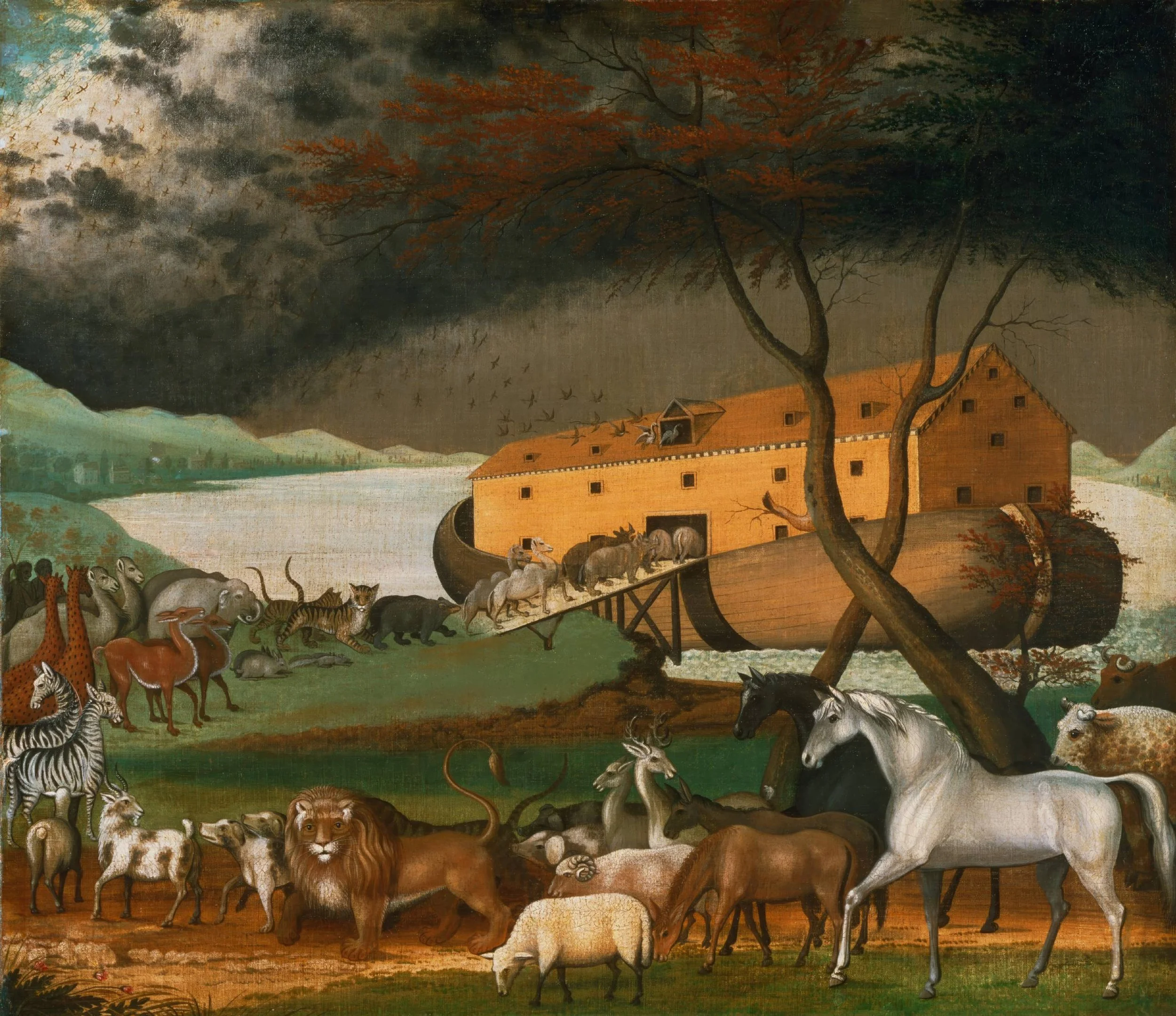
Genesis 9:3 How does the larger biblical context inform God’s permission to eat “everything”?

Sacrifice From Hebrew blood rituals to the cross—what does the Bible teach Christians about sacrifice?

Peter’s Vision How do mainstream food choices prevent the spread of the Good News today?
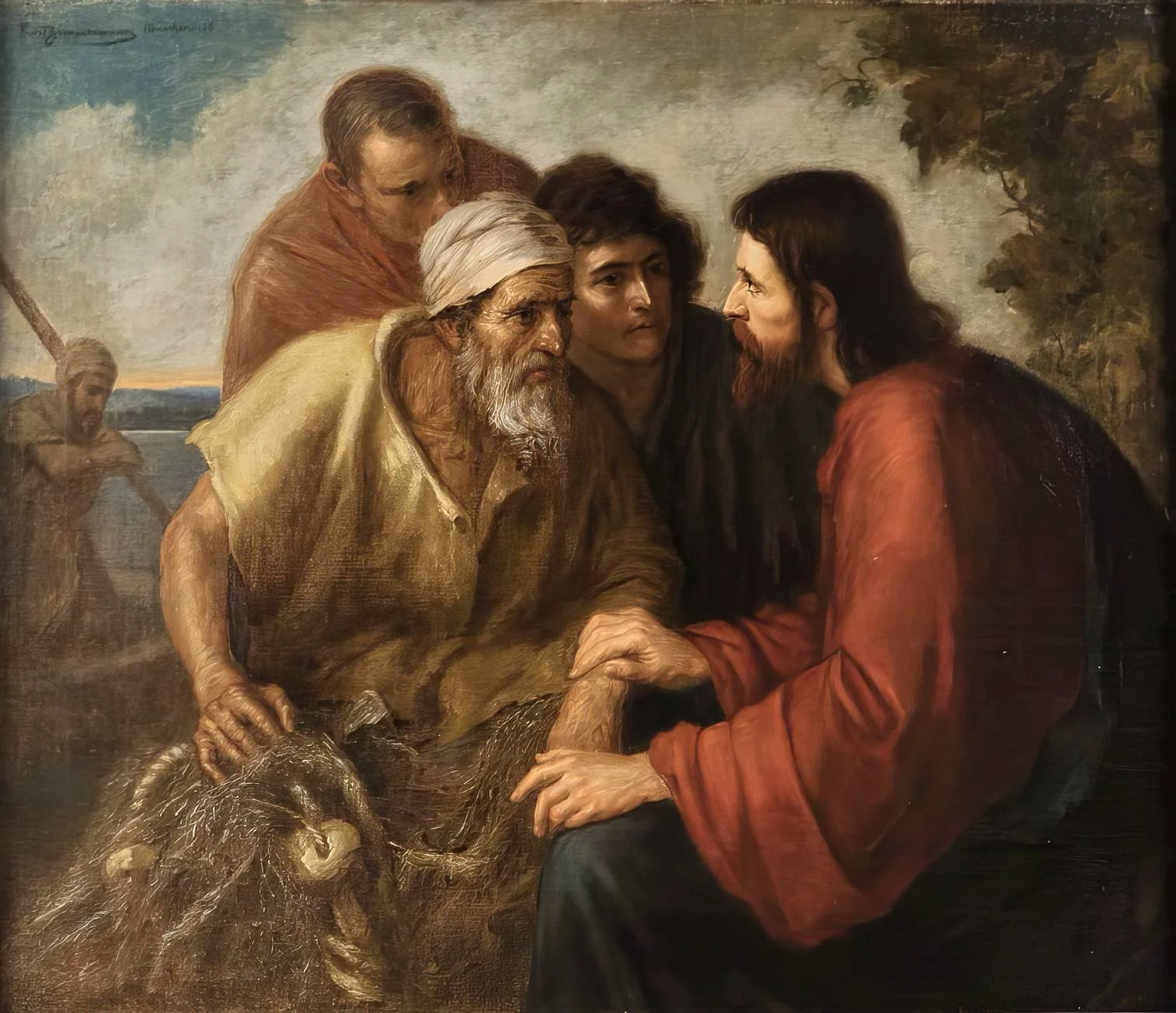
Jesus and Fish Jesus filled nets and ate a morsel of fish—does this invite Christians to eat meat today?

Swine of Gerasene Does the Bible tell Christians that human life is more important than animal life?

Sparrows How does Jesus’ comment about birds help to guide us in walking with Jesus?
Common Questions
-
Our daily choices, including what we put on our plates, are part of living in faith. What we eat matters enough that, at the outset, God told us what we are to eat: In Genesis 1, we are told to eat only plant foods. This shows us what the Creator preferred and intended. In the New Testament, Paul notes that everything we do—including eating and drinking—should be done for the glory of God. What we choose to eat is a matter of faith and ethics for Christians.
-
We are given free will: We must each make our own decision as to what we are to eat. Following in the footsteps of Jesus leads us to choose plant foods, the clearest way to express love, mercy, humility, kindness, and respect for all that God has made. In Genesis 9, we are permitted to eat “everything,” but this concession is offered with foreboding and with heavy restrictions because humankind has become violent and disobedient, because humankind seems incapable of maintaining the deep peace, of showing tender care for all that God had made. This does not change what God commanded in Genesis 1 or what the Bible tells us God preferred: We were told to eat only plant foods and to live without bloodshed. Christians have free choice, and in light of both contemporary industry practice and foundational biblical teachings, choosing to eat only plants is the best way to align teaching with practice
-
We are kind to God’s creatures when we make choices that do not rest on harming animals, and this calls us to choose plant foods. Purchasing eggs, dairy, or meat supports industries that produce products through animal suffering and killing animals. Food industries today are largely invisible, but it is easy to find out what goes on behind their closed doors—to know what we support and perpetuate if we purchase eggs, dairy, or meat. Christians are called to have mercy, to be loving, and to respect the Creator by caring for all that God has made. If we understand the industry, and core Christian ethics, we can see that kindness calls us to a Genesis 1 diet—a diet that consists only of plant foods.
-
Paul tells Christians to avoid serving foods that might cause someone to stumble or that might drive someone from the church. If we listen, we learn that some people feel excluded and alienated when churches serve eggs, dairy, or meat. For this reason, some churches do not serve animal foods. Places of worship that offer only plant foods welcome all of humankind to the table—those who eat eggs, dairy, meat, and plant foods, as well as those who only eat plant foods.
-
It is generally best to wait to be asked to explain your food choices. If asked, there are a number of possible pathways to quickly and easily convey the essence of the Christian choice to conform to a diet of plant foods:
God gave us a diet of plants in Genesis 1 and choosing this diet protects animals, people, and the planet, and for all these reasons, I choose a Genesis 1 diet.
Jesus taught us to love, love calls for kindness to animals, and kindness to animals calls for a Genesis 1 diet, so I choose a Genesis 1 diet.
Jesus showed us that we are to protect and care for those conventionally neglected and downtrodden, and by choosing a Genesis 1 diet, I protect and care for animals whose vulnerabilities and most basic needs are often overlooked in the egg, dairy, and meat industries.
Where food is shared, try to remember to let people know if you have special food requests. Whenever you speak about Christianity, food, and faith, be friendly and understanding—eating eggs, dairy, and meat is mainstream, and change generally takes time. If someone is interested in learning more, perhaps offer to go shopping together to share best places to shop for your favorite foods.
Voices from the Journey
You are not the first Christian to sit with these questions. Here are a few voices from within the faith — people who have walked this path, in their own way and in their own time.
“Caring and advocating for animals, and endeavouring to live compassionately, can be a lonely and disheartening experience in a world in which the plight of so many suffering sentient beings seems to be lowest on any political and religious agenda, and does not seem to matter in the lifestyle choices of most people around us.”
— Catholic Concern for Animals
“Change is vital to ensuring the ongoing relevance of the Christian voice within a wider society which is becoming ever more concerned about the way we treat animals... Our vegan vicars came up with a long list of action points including ensuring there is always provision for vegans at church functions... holding an annual St Francis Day/Animal Blessing service, welcoming local vegan groups to use their spaces for potluck suppers... and including animals within prayers and preaching.”
— Sarx: For All God's Creatures
More voices from within the faith can be found within the page about Peter's Vision.
“I was horrified when the woman working there tore the hook from the fish's mouth and blood shot out. I never realized that fish had blood, red like ours... I knew that a life had left this earth because of me, but I also knew that if I told the priest in confession that I'd committed murder, he'd tell me that I hadn't. There was nowhere to go for absolution.”
— Fish Feel
James 4:17
Anyone, then, who knows the right thing to do and fails to do it, commits sin.
There are a handful of places in Scriptures that may lead Christians to believe that we can eat anything, including meat (birds, fish, and mammals), dairy, and eggs. But reading Scriptures in this manner conflicts with core biblical teachings, including the life of Jesus, who was inclusive and practiced expansive love, who exemplified moving the moral circle outward.
When choosing what to eat, it is important for Christians to know what goes on behind the closed doors of animal agriculture and the full effects of the fishing industry. In light of core Christian teachings and an abundance of alternative foods, as we become aware of contemporary practices, faithful discernment shows us that we may not eat “everything.” In time, in conversation with God, when we have a choice, many contemporary Christians find that walking with Jesus leads us away from meat, dairy, or eggs.
For those interested in learning more about what goes on behind tightly closed doors, please find undercover footage from animal facilities in the nation where you live.
John 8:32
…you will know the truth, and the truth will make you free.
In most contemporary communities, with access to a grocery store or food market, it is easy to choose vegan. For those ready to embrace change in the service of God, here are some paths that you may want to explore along your journey:
Connect with a local vegan group on social media.
Find new recipes online.
Visit your nearest downtown area to locate vegan shops and restaurants that have priced, clearly marked vegan options on their menus.
Find tasty replacements for cheese and sausages, hamburgers and lasagna and any other favorite foods; look for vegan options on grocery store shelves.
Search for online recipes to create your own cheeses and meats.
If you have a vegan friend, ask if they might like to go shopping—they can show you their favorite vegan options, shops, and restaurants.
Romans 12:2
Do not be conformed to this age, but be transformed by the renewing of the mind, so that you may discern what is the will of God—what is good and acceptable and perfect.

Rescued piglet Patsy reaches up to eat fresh green leaves in dappled sunshine, safe at a vegan anymal sanctuary. (We Animals Media.)