Animals in Islam
Exploring Islam and animals through the Quran, tradition, and practice
Foundations
Islam provides a deep spiritual foundation for kindness and care for animals. Islamic life is shaped by mercy, trust, and accountability before God. Rahmah, or mercy, asks that we respond to living beings with compassion, while the Quranic vision of balance and justice invites us to live carefully and responsibly in creation.
Muslims are to recognize animals as creatures of God, living in a divinely ordered world. The Quran teaches that animals are communities like our own and that we respect God by respecting God’s creatures. Through their Creator, animals have rights which we are to respect. They may not be overworked, underfed, or mistreated. Mercy requires us to feed animals properly and provide relief from suffering.
This philosophical foundation is enriched by Hadith. Reports show the Prophet responding tenderly to animals, caring about their needs and their sufferings. The Prophet Muhammad taught mercy toward animals in memorable ways: One person was forgiven for giving water to a thirsty dog, and another was punished for cruelly confining a cat. How we treat animals matters morally— Muhammad told believers to fear God in our treatment of animals.
Islam invites reflection in our daily lives. How do our choices reflect rahmah, justice toward God’s creatures, and fulfillment of our duty to serve as God’s khalifah on earth? Core teachings in the Quran and the words of the Prophet as remembered in Hadith encourage Muslims to submit to God by showing mercy for animals and by caring for animals.
Muslim animal advocates invite us to look more closely at the effect we have on animals, especially in what we purchase. They may suggest how we can live more faithfully, how we can become aware of the many ways that our lives touch, and as a result, harm animals. How can we better submit to God through faithful care for all that God has made?
Teachings
Islam teaches humankind to care for all that God has made, to be kind and just, and that other creatures have rights through their Creator, rights that we are to respect. How we treat animals will matter on judgement day.

Narratives
Islamic accounts remind that animals are morally relevant. The Quran tells of God granting a camel to a community with instructions that she be treated justly and well—in killing her they destroyed themselves. Hadith tell of Muhammad’s mercy and kindness, such as the narrative of an abused camel and that of a bird with thirsty young.
Tension

In addition to buying animal products, some Muslims harm animals for religious festivals and celebrations. More than a million animals are killed annually in the festival of sacrifice (Eid al-Adha).
Living
Islamic law grants animal rights through their creator, and those rights are breached by common practices in contemporary animal agriculture. Tayyib (wholesome and pure), halal foods, and caring for creation invite us to choose only plant foods so that we protect our health and all that God has made.
Advocacy
Muhammad spoke up on behalf of misused animals and contemporary Islamic animal advocates work to bring about God’s will by speaking up to protect animals.

Image Credits
Banner Image:
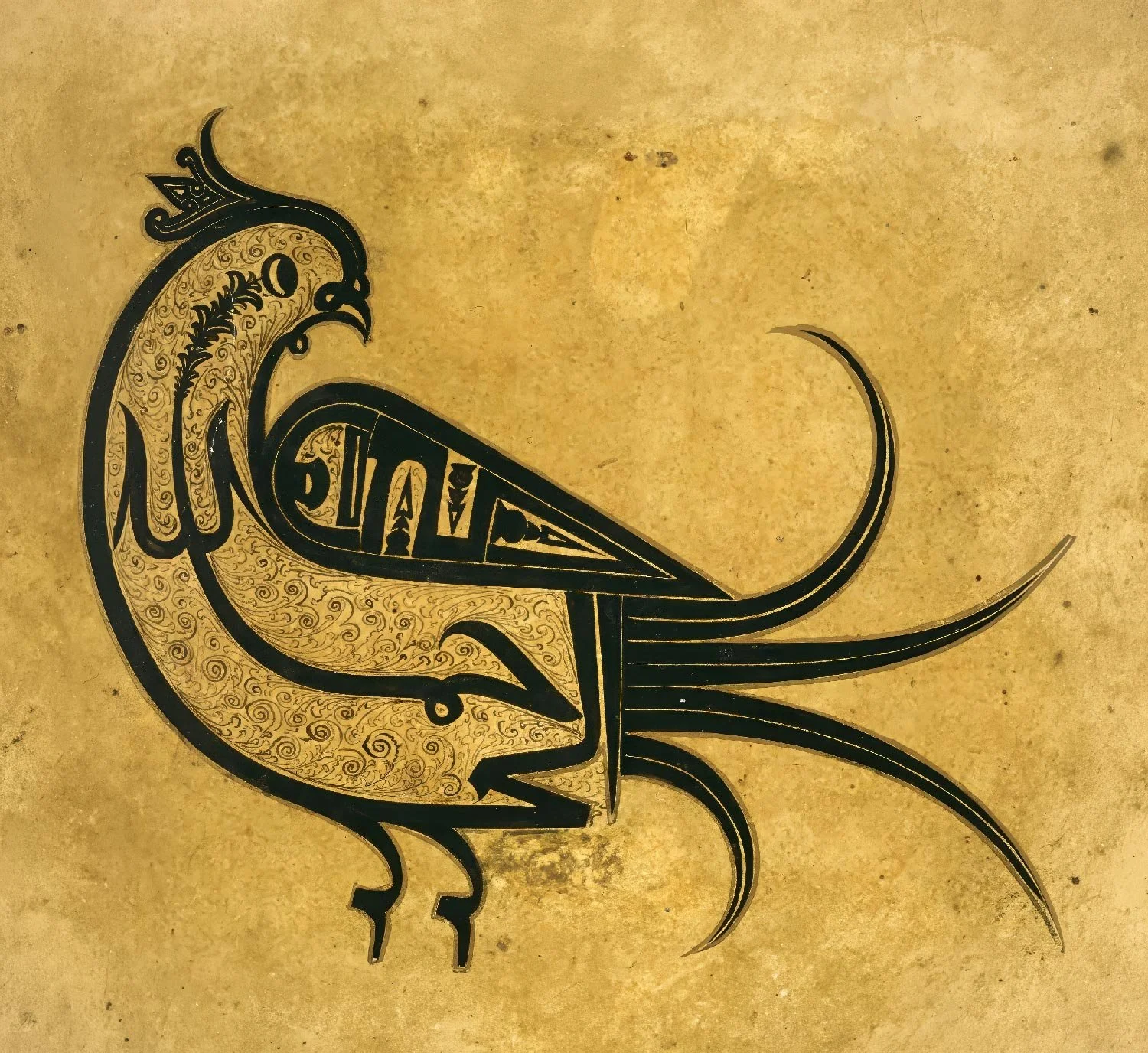
Teachings: A calligraphic composition in the form of a bird incorporating the bismallah, probably India, 19th Century | Bonhams Auction house
Narratives:
Tension: WeAnimals
Living:
Advocacy: Altab Hossain – Vegan, Animal Rights Activist) | Published at Peta India