Animals in Indigenous Traditions
Explore indigenous religious traditions and animals through sacred narratives, tradition, and lived practice
Foundations
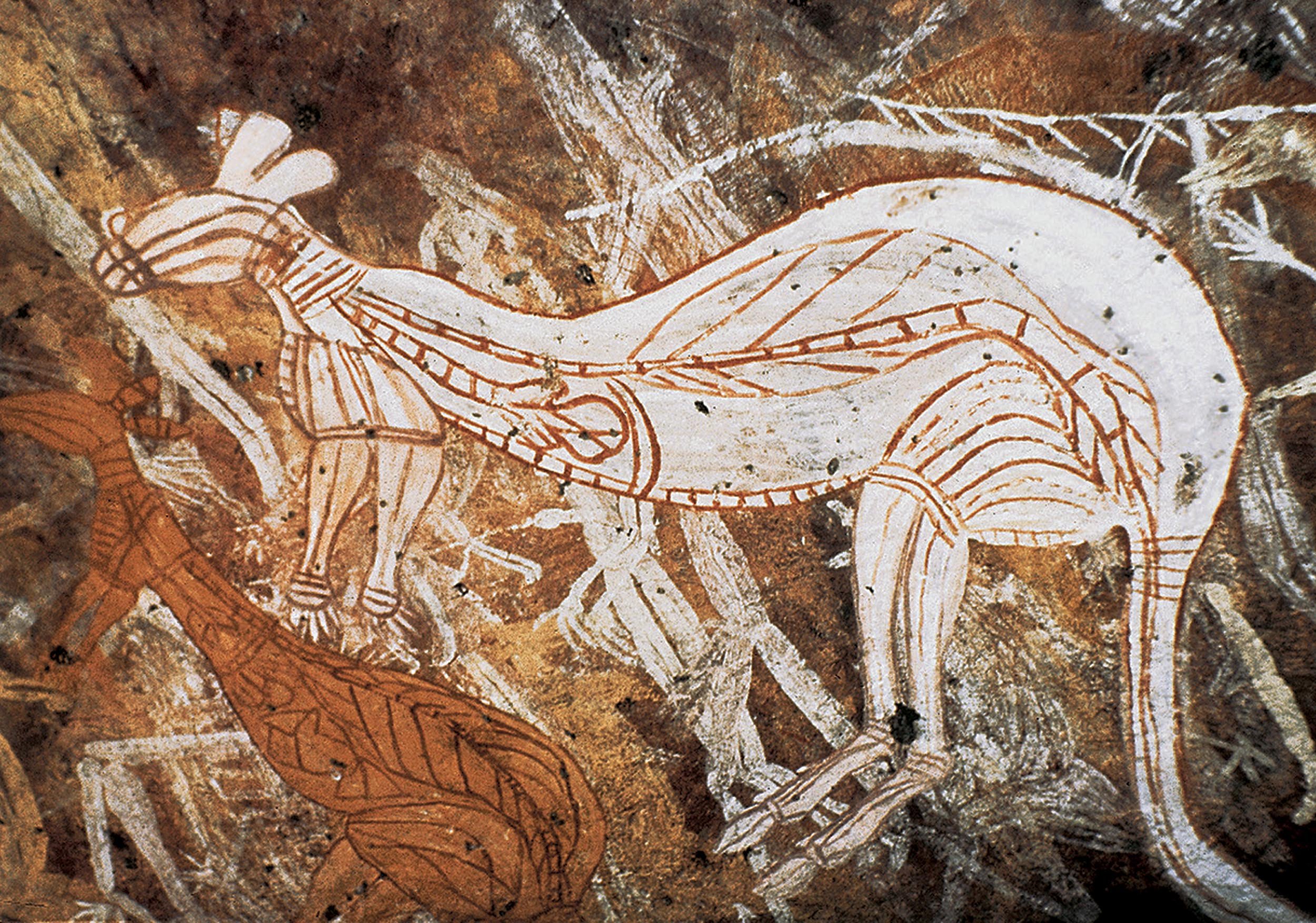
While diverse and specific to place, Indigenous philosophies often teach that all of nature is sacred, including animals. Across many Indigenous communities, animals are viewed as relatives and teachers in a moral universe that is to be respected.
Indigenous wisdom is often preserved and conveyed through storytelling. Sacred narratives feature animals frequently. These stories teach respect for animals and for the larger community of life. They often blur the lines between humankind and other creatures, showing continuity, reciprocity, and familiarity across species. Sometimes animals become human beings, and sometimes human beings become animals. Other times animals behave just like human beings, or humankind behaves just like other species. There is seldom a hard and clear line between us and the rest of the animal world. This stems from the core belief that animals and humankind form one community, and that ethics extend across species to guide not only how we treat one another, but how we treat animals.
Indigenous cultures often struggle to persist alongside influential and powerful industrialized societies. Some of us find meaning as animal advocates, working to protect our neighbors and kin, working to bring justice to our relatives, the animals. How might Indigenous cultures be strengthened if we, also, lived more respectfully with animals in contemporary times?
Teachings
While each one is distinct, indigenous traditions tend to teach that all life and the natural world are interconnected and sacred, that living beings share commonality (and can morph across species), and that all creatures are people—individuals with personalities.
Narratives
Indigenous sacred narratives often present animals as empowered and important, through interconnection and as relatives. Many sacred narratives recall an ideal time without bloodshed, including Maori (New Zealand) and Cheyenne (Central N. America) narratives. Indigenous memory frequently reveals the exceptional powers of animals: The Popol Vuh (Mayan, Central America and Mexico) tells that plants and animals helped to create humankind; accounts of the Trio people (Surinam and Brazil) tell how animals taught humankind how to live; Navajo (Mexico and Arizona) sacred narratives tell how animals saved everyone from a great flood.
Tension
In addition to buying animal products, some Indigenous people hunt, fish, and trap as a matter of preference and some harm animals for decorations, ritual items, and/or for profit.
Living
Harming animals without necessity is considered disrespectful and many sacred narratives recall an ideal time in the distant past when there was no bloodshed. Indigenous traditions tend to teach respect for life. All of this points to choosing only plant foods.
Advocacy
Some Indigenous peoples have become animal advocates, working to protect their sacred kin. Elders in some indigenous communities seek to revive traditional ways that do not involve bloodshed (E. Washington, U.S.); elders in the Makah community spoke against reviving whaling traditions (Makah, NW Washington, U.S.).