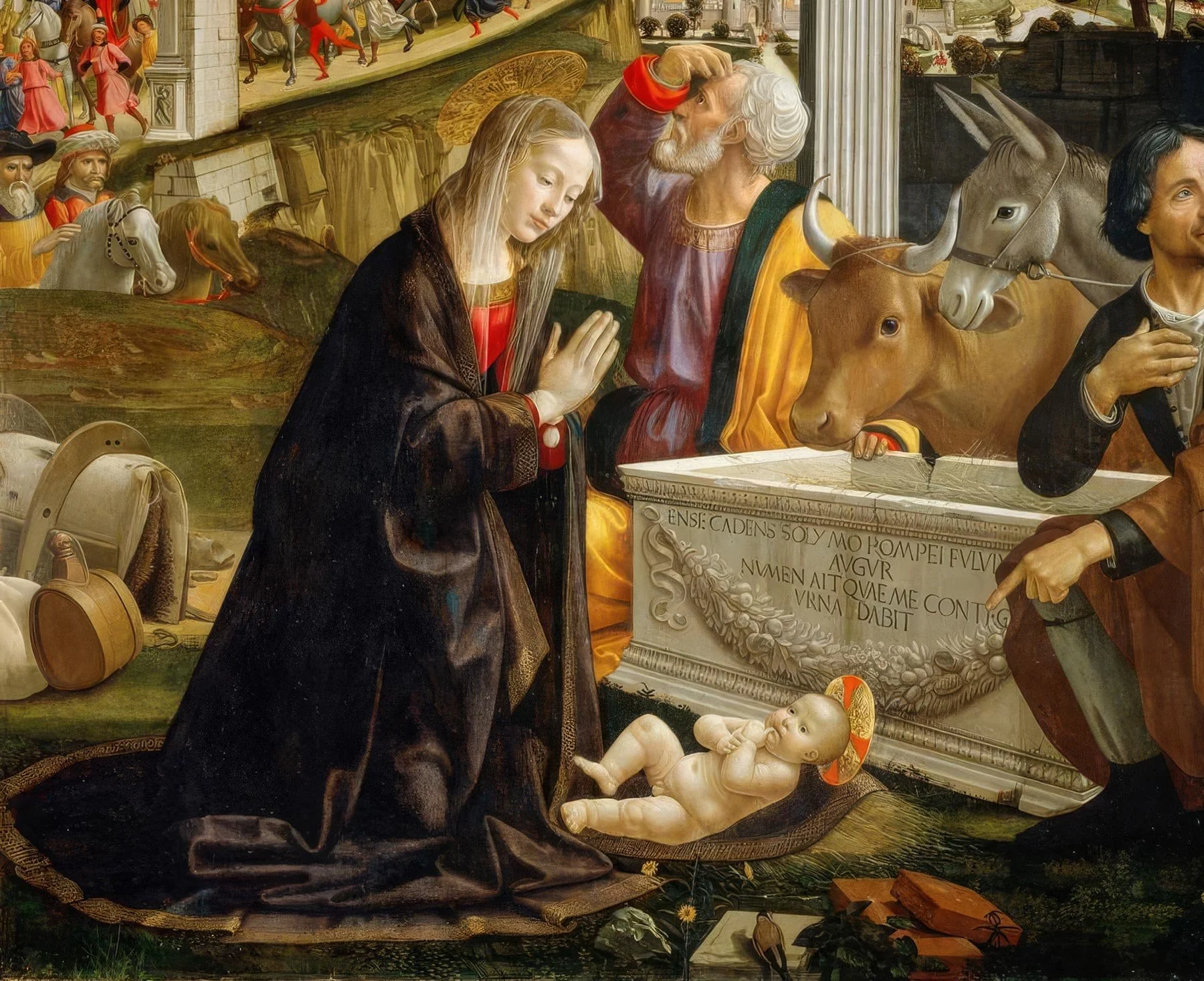
Animals in
Christianity
Exploring Christian animal ethics through Scripture, tradition, and practice
Christian Foundations
In Scripture, animals are not merely background props–they are introduced as fellow creatures of God, included in covenants, addressed by the prophets, and woven into parables. Across centuries and continents, Christians have read these sacred writings in diverse ways, sometimes emphasizing dominion and hierarchy, other times highlighting mercy, humility, and responsibility. This website explores how Christian theology, sacred narratives, and contemporary practice inform the ongoing question, “How should we live with animals?”

Sacred Texts
Animals in the Bible
Foundational Scriptures teach us about creation, covenantal promises, wisdom literature, prophetic visions, and of course, the life and teachings of Jesus. These sacred texts have been understood in different ways—sometimes to justify human supremacy, sometimes to call for compassion and respect for all life.
By examining core Scriptures, this page explores Christian responsibilities for God’s creatures.

Sacred Stories
Animal Narratives in Christianity
Alongside legal and doctrinal texts, Christianity is shaped by stories—parables, stories from the lives of saints, and moral narratives in which animals sometimes play central roles. These writings support and reflect core Christian ethics such as mercy, humility, and kinship in creation.
This page explores how sacred stories both reflect and shape Christianity and how they inform our interactive lives with animals today.
Discord
Animals in Christian Practice
Christian ideals such as mercy and love have not always aligned neatly with Christian practice. The human tendency to hubris and our strong desire for the future life to come sometimes create tensions between core teachings and faithful practice.
This chapter spends time with these tensions, asking how Christian practice relates to Christian principles—and how we might build stronger ties between the two.

Food Ethics
Diet & Animals in Christianity
Questions about food choice have long occupied Christian thought. Biblical texts are cited in debates about faith and foods, whether in reference to early ascetics, stewadrship, or matters of justice and compassion.
This chapter examines how core Christian teachings inform these ongoing reflections on food choice and how we live with animals.
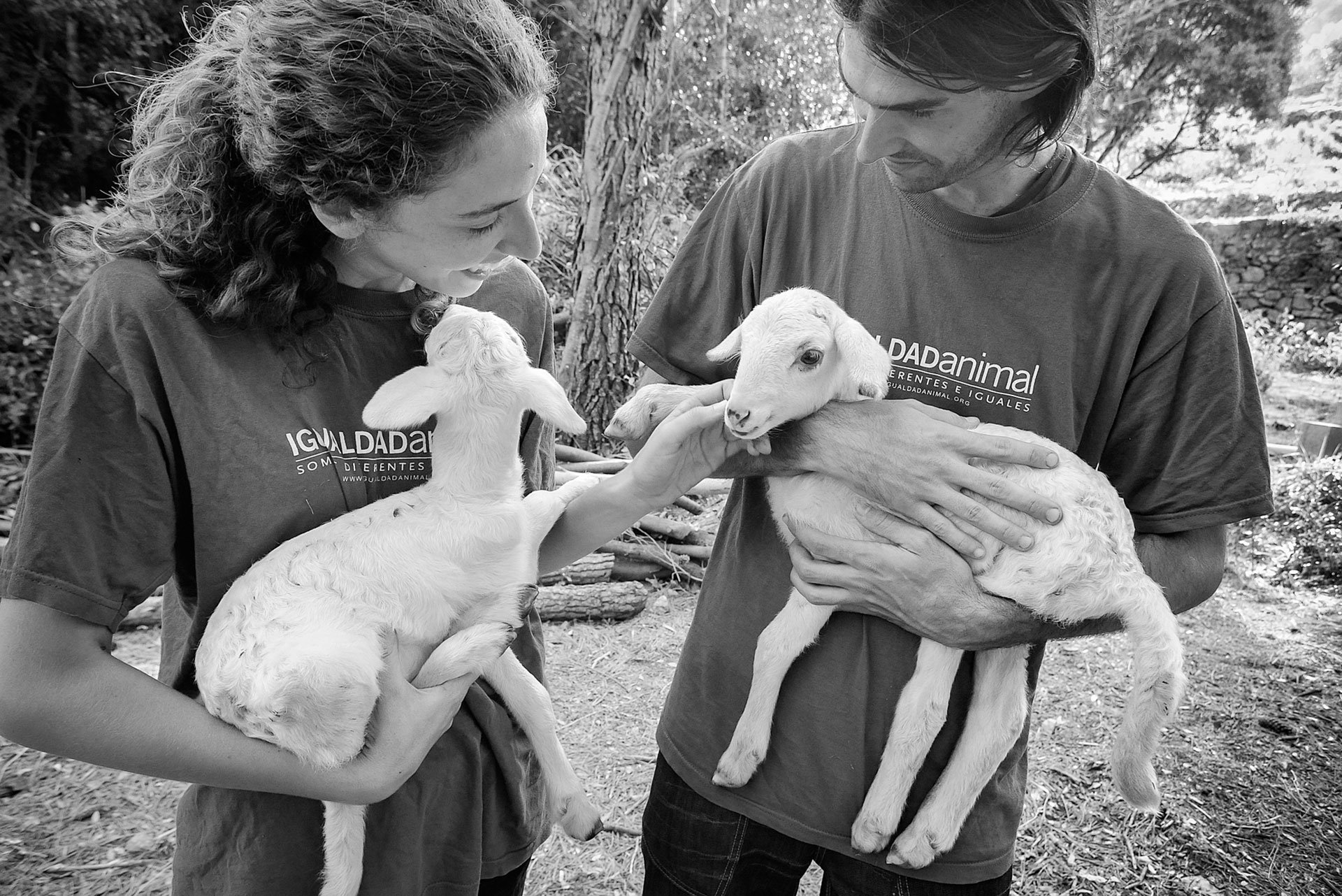
Activism
Christian Engagement for Animals
Throughout history, Christians have responded to moral concerns inside Christianity with faith-based reform movements. In recent decades, drawing on theology and the example set by Christ, a Christian movement has gained momentum in their work on behalf of God’s creatures.
This chapter examines the roots of Christian social justice activism, including those working to realign faith and practice with compassion and care for animals.
Relevant Publications by Tapestry
-
Animals and Christianity
-

Amore - Vegan ethics
Image Credit
Texts & Teachings: Berlin Gutenberg Bible, Berlin Germany, Staatsbibliothek zu Berlin, Inc. 1511 − Photo 20 | Photo by Facsimile Finder
Diet: Vegetable Wellington - Plant-Based Holiday Roast | Recipe and image by J. Kenji López-Alt
Sacred Stories: Rembrandt Van Rijn, “The Fall of Man” (ca 1510). (Image courtesy of ArtBible.)
Activism: Choti Singh, Director of Mfuwe Snakebite Prevention in Zambia | By Southern African Herpetologists