The Gospels on Justice
Jesus Models Activism
John 8:12
I am the light of the world. Whoever follows me will never walk in darkness but will have the light of life.
The Gospels tell us that Jesus was peace-loving, and that he worked day-by-day for change. Where needed, he demanded change. Jesus was an activist for social justice.
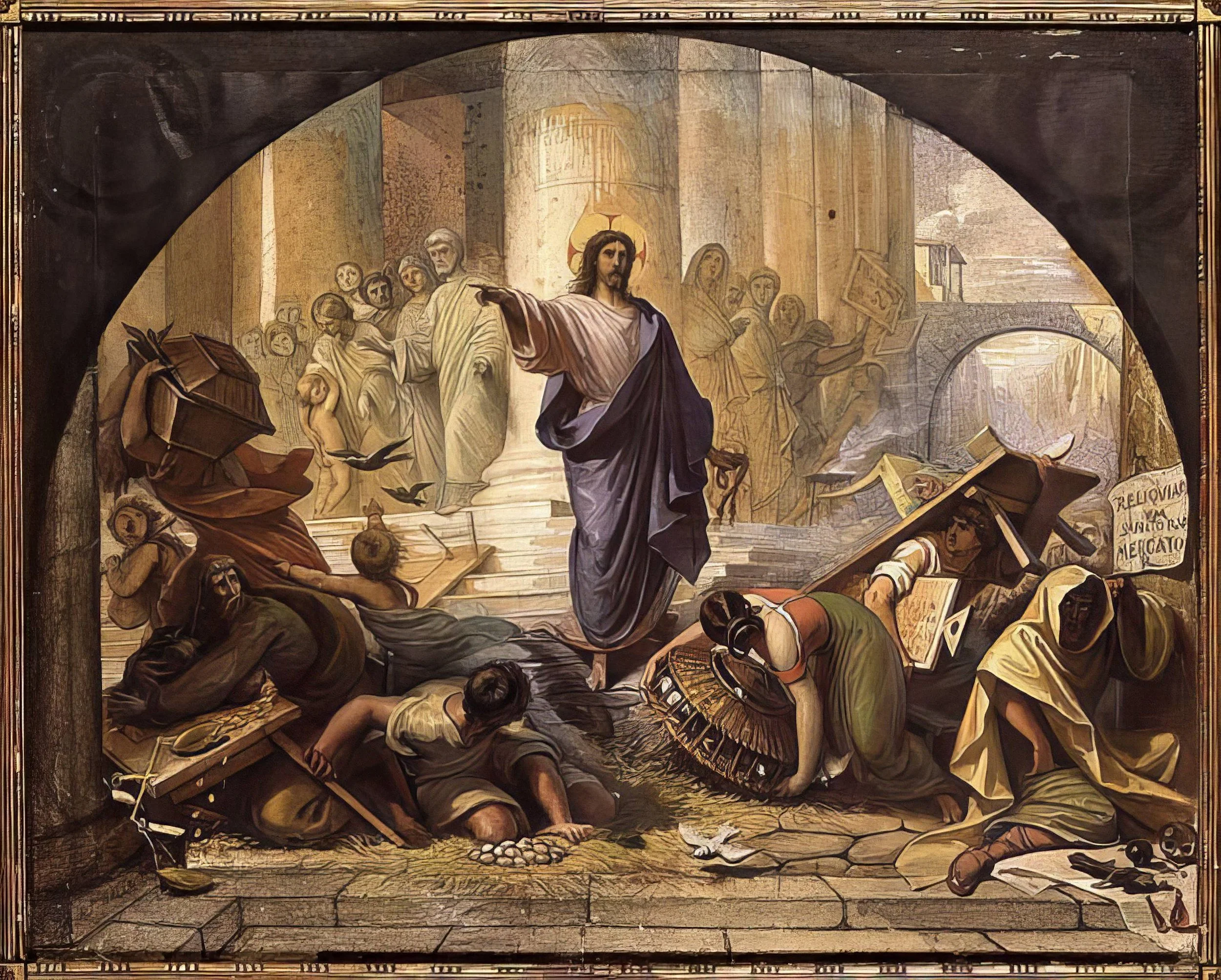
Born to bring a new era, Jesus championed justice for the marginalized and downtrodden, the maligned and condemned, those abused, disempowered, and dispossessed. Jesus stood against hypocrisy, iniquity, and economic corruption. In all four Gospels, Jesus confronts those engaged in animal commerce and drives them out of his Father’s temple, in some accounts, overturning tables and seats.
Jesus tended to the needs of those his community had pushed outside the moral circle. He tended to the needs of lepers, servants, and the poor.
1 Peter 1:13
…prepare your minds for action; discipline yourselves…
Jesus defied the social norms of his day and the expectations of those in power. He cared for “the least of these” (Matthew 25:40). On behalf of God, Jesus worked for change here on Earth.
If we understand activists as those who work for change, then Jesus was an activist.
John 2: 14-15
In the temple he found people selling cattle, sheep, and doves and the money changers seated at their tables. Making a whip of cords, he drove all of them out of the temple, with the sheep and the cattle. He also poured out the coins of the money changers and overturned their tables.
Matthew 21: 12-13
Then Jesus entered the temple and drove out all who were selling and buying in the temple, and he overturned the tables of the money changers and the seats of those who sold doves. He said to them, “It is written, ‘My house shall be called a house of prayer,’ but you are making it a den of robbers.”

Jesus drove profiteers and their misused animals out of the temple. (“Christ Driving the Money Changers from the Temple,” Dirck van Baburen, Netherlands, 17th century, Wikimedia Commons)
The Bible tells the faithful that the Earth is God’s, that animals are God’s. All life—all this good and holy creation—is God’s alone. Jesus showed us how to serve God by healing, by helping to restore justice, by tending to the needs of those others thought unworthy of his loving care.
As humble creatures of God, serving God while on Earth, all of creation is worthy of our respect and care. Where advocacy is concerned, animals are a very special part of God’s creation because they can suffer and die, and like humankind, they would wish to have long and healthy lives.
It is unpleasant to face cruelty, but it is our Christian responsibility to understand what is happening in our communities, and in our countries. When we are unaware, we are unable to help bring change and we are likely to contribute to the problem, inadvertently. We need to explore what goes on behind sturdy walls and locked doors.
Matthew 7:24
Everyone, then, who hears these words of mine and acts on them will be like a wise man who built his house on rock.
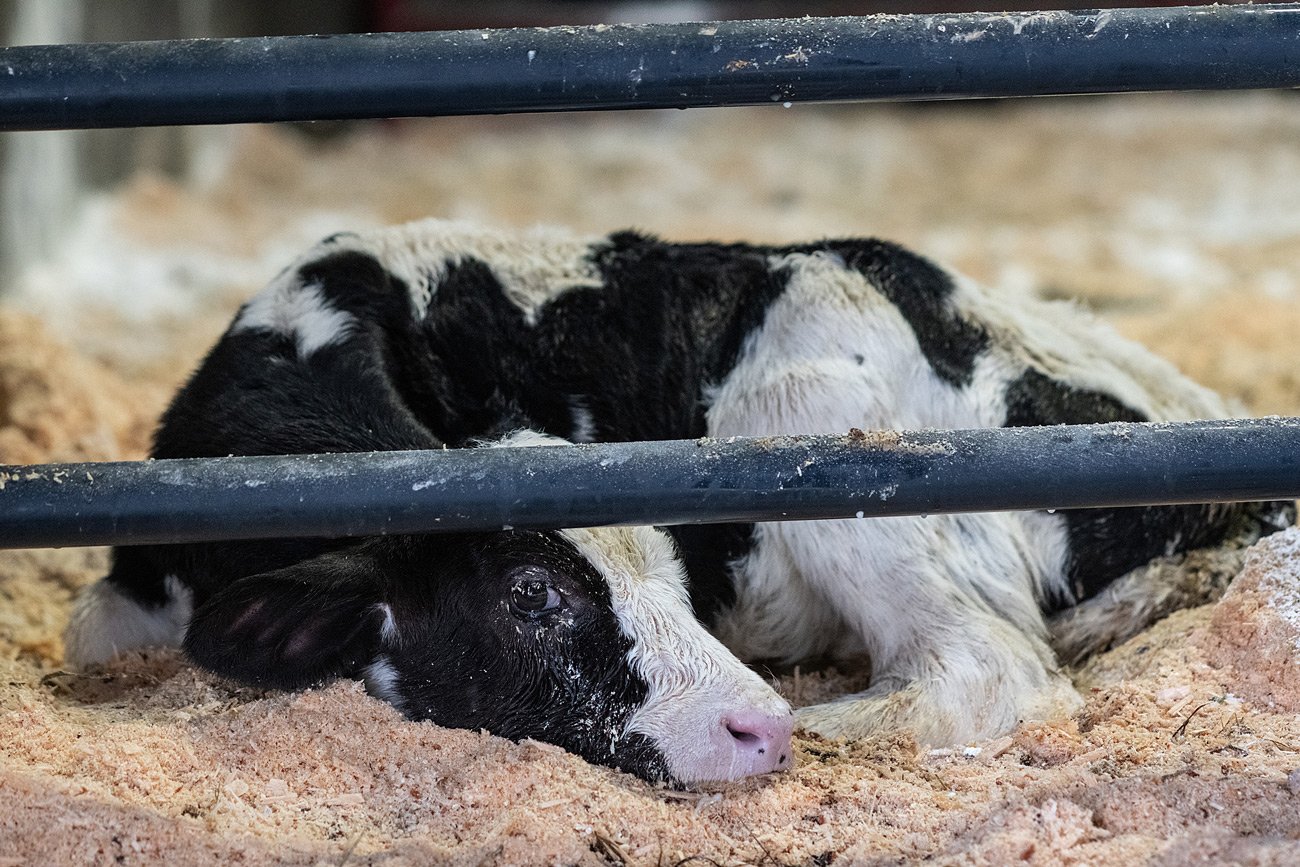
A pig raised for pork looks over the wall in India, where she lives. (We Animals Media)
In the Summa Theologica, theologian Thomas Aquinas quotes early church leader John Chrysostom (4th century): “He who is not angry, whereas he has cause to be, sins.”
In the face of such injustice to God’s creatures as is now the case worldwide in science, food, clothing, and entertainment industries, Christians are called to respond with indignation and righteous anger.
The truth is that fishing, laboratories, agriculture, clothing, tourism, and entertainment industries trade the happiness and lives of God’s creatures for profit. The truth is that animals exploited by humankind, whether for food, clothing, medicine, art, entertainment, or science, are harmed, and often destroyed because it brings profit and pleasure to humankind.
The Bible does not instruct humankind to force animals into pregnancy, deprive them of motherhood, or trap them in dirty, barren little pens. Animals that we use as tools for our purposes suffer from neglect, manipulation, and exploitation; almost all of them are killed in early adolescence.
“Imagine Jesus walking through a slaughterhouse, a vivisection lab, or a poultry farm: How would the Prince of Peace feel about contemporary exploitation of pigs, mice, and hens? Would he justify these institutions as readily as we do?”
— Animals and World Religions,
Dr. Kemmerer
Animal industries force animals to be born as if their existence is only for our purposes. Once they have been used for profit, or whatever else humankind wants to take from God’s creatures, they are killed as if their lives were nothing outside of our interests.
Christians are called to understand what we finance with our purchases. Christian faith is lived through actions in our daily life. We can only make a choice that is true to our faith commitments when we know what we pay for in putting money down for a pony or elephant ride, a puppy or kitten, a ticket to an aquarium, zoo, circus, or wild animal exhibit, or when we buy eggs, dairy, and meat.
Once we understand what our purchases finance, we are called to turn away from choices that support cruelty and bring our lives into closer alignment with God’s will. Grace invites us not only to recognize harm, but to change course.
Matthew 7:21
Not everyone who says to me, ‘Lord, Lord,’ will enter the kingdom of heaven, but only the one who does the will of my Father in heaven.
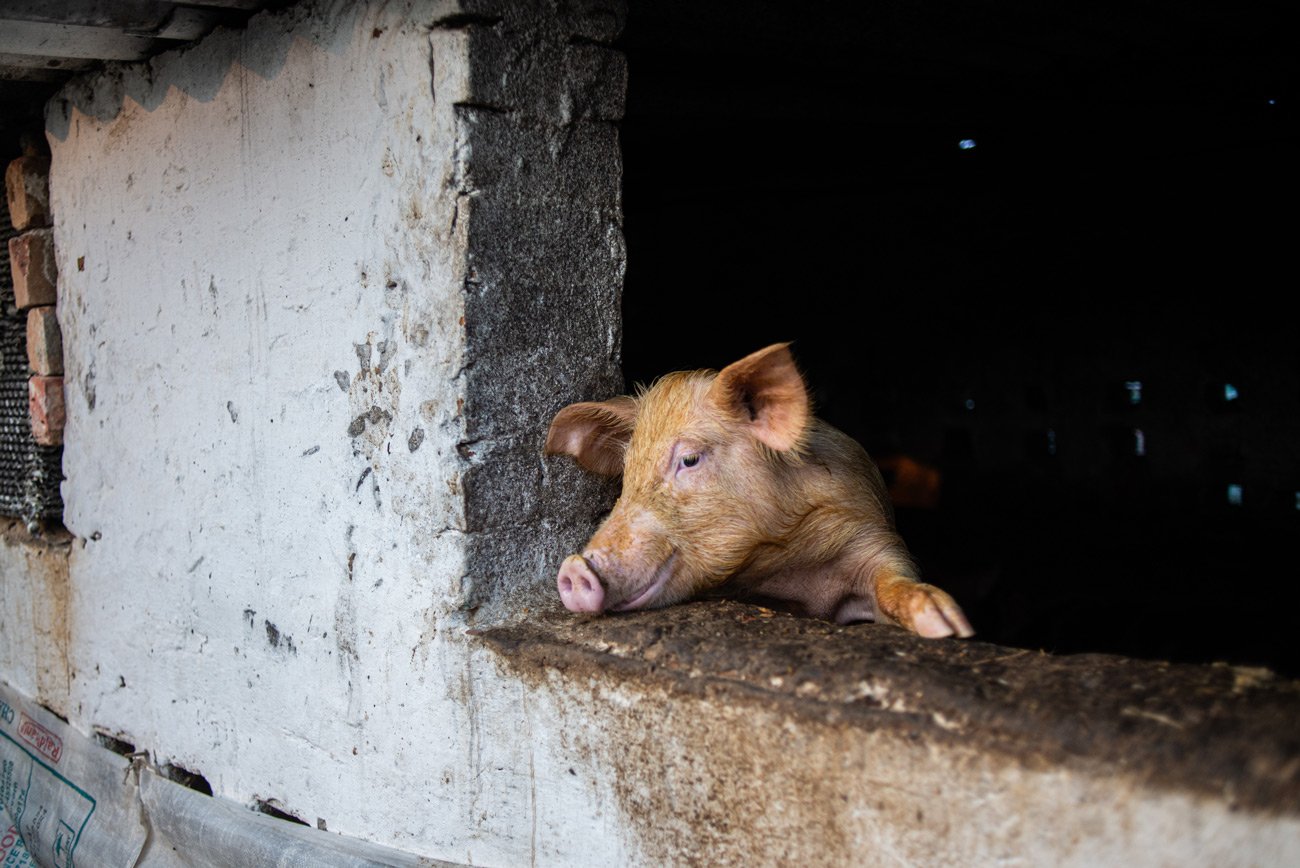
A newborn calf, an unwanted outcome of the dairy industry, sold to be slaughtered for veal. Like human mothers, cows only give milk after giving birth. (We Animals Media)
In all four Gospels, Jesus confronts commerce in his Father’s temple—commerce involving animals—driving out sellers and money changers along with sheep and cattle. The life of Jesus and core Christian ethics call us to action, invite us to boycott modern industries that show a chilling indifference to God’s creatures.
As God works through us, as part of our ongoing sanctification, as we walk in the footsteps of Jesus, we are called to respond to the cries of God’s animals for our mercy. If ever there were a time and place for faithful resistance, it is found in the dark corners of animal industries, where innocent, helpless creatures of God are exploited and killed for profit.
James 4:17
Anyone, then, who knows the right thing to do and fails to do it commits sin.
James 1:22
…be doers of the word and not merely hearers who deceive themselves.
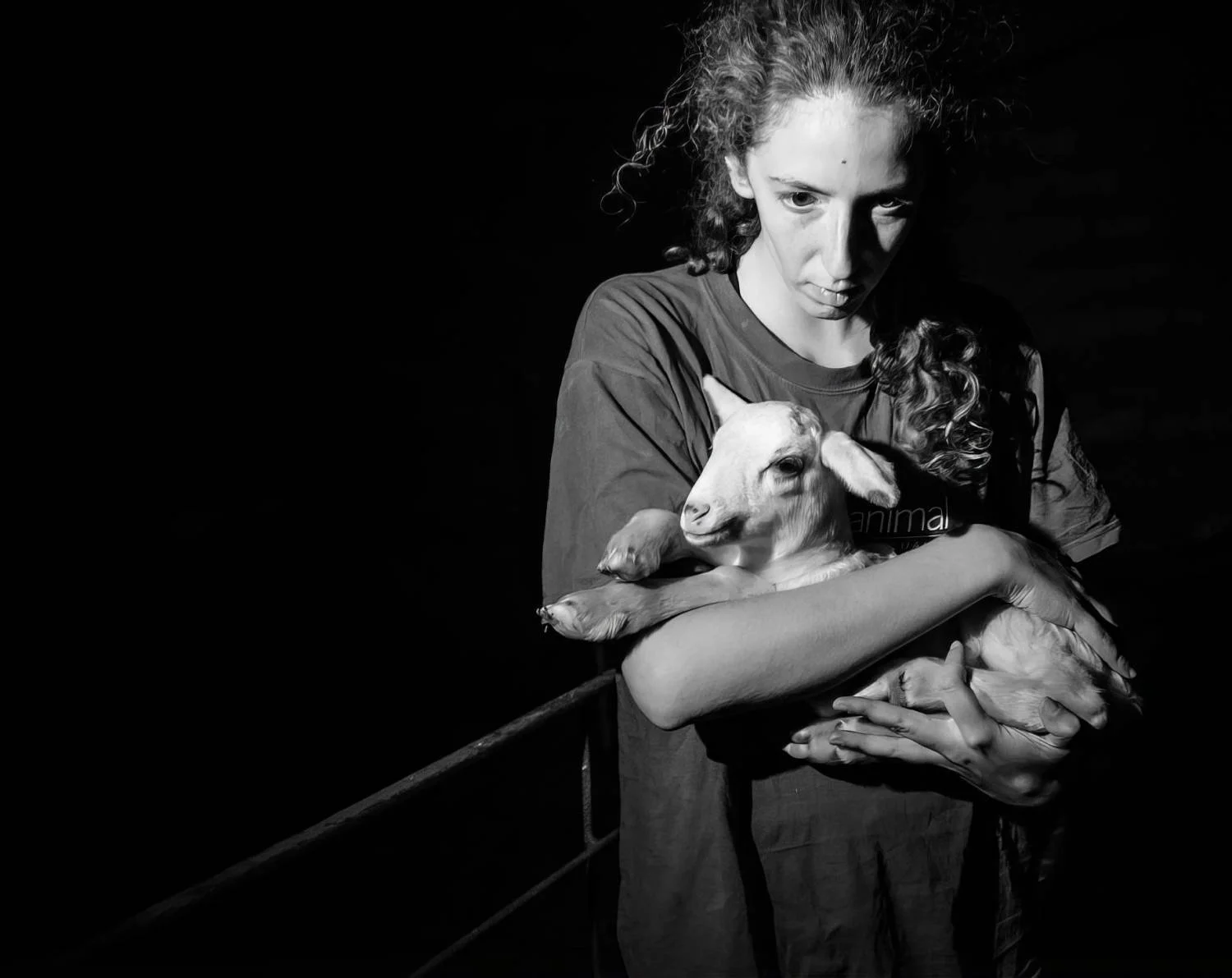
An activist rescues a lamb from harm and an early death in the dairy, meat, and hide industries. (We Animals Media)